The Iconic Prophet's Mosque Illustration: A Guide for Effective and Respectful Use
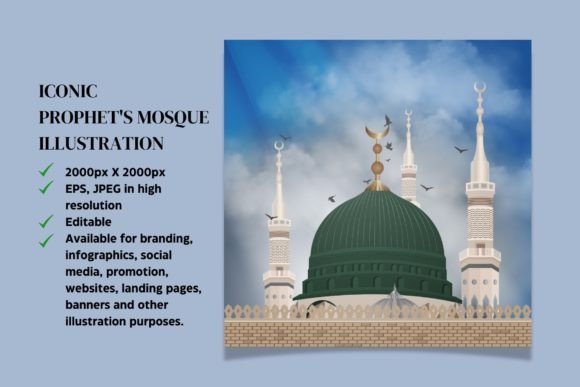
Visual communication is powerful, and choosing the right imagery is a critical decision for any project. For creators, marketers, and businesses aiming to connect with themes of Islamic heritage, culture, or spirituality, a well-crafted illustration can be invaluable. The Iconic Prophet's Mosque Illustration offers a beautiful representation of this sacred site. It presents the mosque’s distinct green dome and elegant minarets under a serene sky, rendered in high-resolution detail. Its availability in versatile file formats like EPS and JPEG makes it a practical asset. However, using such an image effectively and appropriately requires more than just downloading a file. Common pitfalls can undermine your project's quality, message, and even its reception.
Overlooking the Nuances of Context and Audience
A frequent oversight is treating this illustration as a generic decorative element. The Prophet's Mosque (Al-Masjid an-Nabawi) is one of the most revered sites in Islam. Therefore, its image carries significant cultural and religious weight. Using it purely for aesthetic appeal in an unrelated context—say, a generic travel brochure without Islamic focus—can appear insensitive or commercially exploitative. It risks alienating your audience and diluting your message. The illustration is perfect for branding promotions when the brand’s values, products, or services genuinely align with themes of faith, community, or artistic heritage.
A better approach: Before integrating the image, clearly define your project's core message. Is it for an educational platform on Islamic history? A community event announcement? A brand selling ethically produced goods to Muslim consumers? If the illustration supports that message authentically, it will resonate deeply. For example, a non-profit organizing a charity event might use this illustration on its landing page to evoke a sense of community and peace, directly linking the visual to its mission.
Misjudging Technical Specifications and File Formats
The details matter. This specific Iconic Prophet's Mosque Illustration is offered at 2000px by 2000px, in both EPS and JPEG formats. A common mistake is not understanding what these formats mean for your actual use case. Downloading the JPEG for a large-format print banner might lead to pixelation or loss of detail because JPEG is a raster format. Conversely, using the EPS vector file for a quick social media post might involve unnecessary complexity in your workflow, as EPS files require vector-editing software like Adobe Illustrator.
This technical misstep affects efficiency and final quality. A pixelated image on a website banner communicates poor attention to detail. Struggling with an unfamiliar file format wastes time. Always check the intended output first. For scalable uses like logos, infographics, or large prints where you might need to resize the image without quality loss, the EPS file is the superior choice. For fixed-size digital uses—social media posts, website hero images, digital ads—the high-resolution JPEG is typically sufficient and easier to handle.
Compromising Visual Integrity through Poor Editing
Having a high-quality file is a starting point, not a guarantee of a final professional result. Another area where mistakes occur is in the editing and integration phase. Overzealous filtering, awkward cropping that cuts off the minarets or dome, or placing the illustration on a clashing background can strip away the "serene and majestic essence" the image captures. The dynamic birds in the sky and the vibrant blue are part of its balanced composition; altering them drastically can make the scene feel artificial or disjointed.
To avoid this, treat the illustration with respect for its original composition. Use subtle enhancements if needed. For instance, when placing it on a promotional website for Islamic art, you might add a soft, complementary color border or overlay text with clean, elegant typography. Avoid slapping loud, contrasting logos directly onto the dome itself. The goal is to let the illustration's inherent beauty support your content, not fight with it.
Ignoring the Importance of Legal and Ethical Usage
While many illustrations are available for purchase or download with clear usage rights, a critical step is always verifying them. Assuming you have unlimited commercial rights without checking can lead to legal issues. Furthermore, even with proper licensing, ethical use is paramount. Using the Iconic Prophet's Mosque Illustration in a manner that could be deemed disrespectful—for example, in advertising for products incompatible with Islamic principles—is a serious misjudgment that can damage brand reputation irreparably.
Before making a decision, confirm the license terms. Is it for personal use, commercial use, or both? Does it require attribution? Then, apply an ethical filter: does my use honor the subject matter? Consulting with individuals knowledgeable about Islamic culture can provide valuable perspective. This due diligence protects your project and shows a commitment to thoughtful, cross-cultural communication.
Underestimating the Power of Consistency in Branding
For branding promotions, a single asset is rarely enough. A mistake is using this striking illustration once, then reverting to inconsistent imagery elsewhere in the campaign. This creates a disjointed visual identity. The illustration should be a cornerstone of a broader visual strategy if it's central to your message.
Think about creating a cohesive set. The EPS file format allows for adaptation; you could extract the dome as a simpler logo element for smaller applications, use the full scene on primary banners, and employ color palettes from the illustration (the greens and blues) across all materials. This builds a recognizable and professional brand aesthetic that feels deliberate and trustworthy. A small business owner selling Islamic artwork could use the illustration on their website homepage, then use a simplified version from the EPS file as a watermark on their social media posts, creating strong, consistent recognition.
Ultimately, the Iconic Prophet's Mosque Illustration is more than just a picture; it's a versatile tool for meaningful communication. By paying attention to context, technical details, respectful editing, legal ethics, and branding consistency, you can avoid common errors and ensure this beautiful asset elevates your project, connecting with your audience in a genuine and impactful way.