The Practicality of a Skull Line Drawing Illustration Set
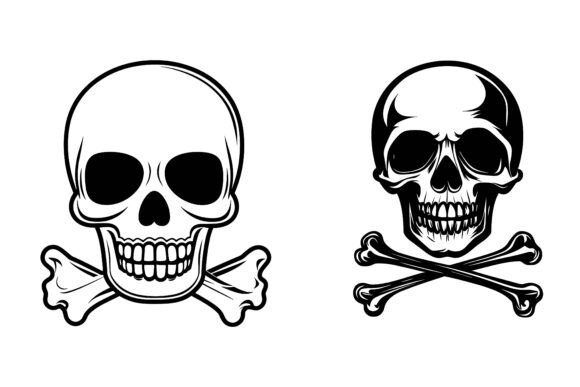
A skull line drawing is a graphic representation, typically in a minimalist or stylized form, that uses clean lines and contours to depict a skull without extensive shading or detail. In the context of digital design assets, such drawings are often part of curated illustration collections offered as vector files. These sets provide designers with ready-made, scalable artwork that can be integrated into diverse projects.
Evaluating Interest in a Skull Line Drawing Asset
Interest in a specialized illustration set like a skull line drawing often stems from specific project requirements or recurring design needs. You might be researching such an asset if you are working within genres where this motif is prevalent, such as certain music, fashion, gaming, or editorial sectors. It is also a consideration for designers seeking to expedite the creation of logos, branding elements, or thematic visuals where custom illustration from scratch would be time-prohibitive. The core appeal lies in acquiring a professionally crafted, editable base element.
Key Benefits and Functional Tradeoffs
The primary benefit of a pre-made skull line drawing in vector format (like AI or EPS) is its immediate utility and flexibility. A well-organized file with a clean layer structure allows for rapid modification—changing stroke weights, altering colors, or isolating components. This can significantly streamline workflow compared to sourcing a raster image or commissioning custom art. The suitability for both print and web applications, from large-scale posters to app icons, adds to its functional versatility.
However, tradeoffs exist. While editable, the design is inherently predefined. Your creative direction must align with the existing style and composition of the drawing. If your project demands a highly unique, anatomically precise, or culturally specific rendition of a skull, a pre-made set may not suffice, and a custom illustration would be a more appropriate alternative. Additionally, reliance on such assets requires ensuring the license terms permit your intended use, especially for commercial products.
Determining a Strong Fit for Your Projects
A skull line drawing vector set is a strong fit in several clear scenarios. It aligns well with projects needing a consistent, repeatable symbol, such as for a brand identity system where the skull acts as a logo or secondary mark. It is also highly practical for infographic design where thematic icons are needed to visualize concepts like risk, mortality, or rebellion. For designers operating under tight deadlines or those with intermediate skill levels who may not excel at line illustration, such a set provides a quality foundation without requiring expert drawing skills.
The inclusion of both EPS and JPG files, noted for Mac and Windows compatibility, underscores its role in collaborative or multi-platform environments. The promise of detail consistency ensures that the asset will remain professional when scaled, a critical factor for print media.
When to Consider Alternatives
Alternatives should be considered when the pre-made aesthetic does not match the project's tone. For instance, if a softer, more organic, or hyper-realistic style is required, a different asset or approach is necessary. Similarly, if the project budget allows and the skull motif is central to the work, investing in a commissioned illustration from an artist can yield a truly original and potentially more resonant result. For those needing only a one-time, low-resolution use—such as a single blog image—a free or lower-cost raster stock photo might be a more economical choice, albeit with less flexibility.
Practical Decision-Making Insights
To determine if such an illustration set aligns with your needs, conduct a practical audit of your current and upcoming projects. Ask yourself how frequently a motif like a skull line drawing would be utilized. Assess your own comfort and efficiency with modifying vector files versus creating original art. Crucially, review the technical specifications: ensure the provided file formats (AI, EPS) are compatible with your software and that the "neatly organized" structure is as described, as a messy vector file can hinder editing despite the promise of easy modification.
The emphasis on easy color change and modification is a significant feature, but it relies on your proficiency with vector editing tools like Adobe Illustrator. If your workflow primarily uses raster-based software, the vector benefits may be less accessible unless you convert files, which can introduce quality loss.
Aligning the Asset with Your Creative Goals
Ultimately, the value of a specialized skull line drawing collection hinges on its role as a tool within a broader creative process. It is not a substitute for foundational design skill but an accelerator for it. If your goals involve producing consistent, thematic work efficiently across multiple mediums, and the style of the drawings resonates with your visual language, then it can be a prudent resource. Conversely, if your goals are centered on establishing utterly unique artwork or you require motifs far outside common symbolic representations, your path likely leads elsewhere. By weighing the benefits of immediate, professional quality against the tradeoff of pre-defined style, you can make an informed decision that supports your specific design objectives.