The Strategic Power of Internal Organs in a Childish Body: A Visual Toolkit for Engagement
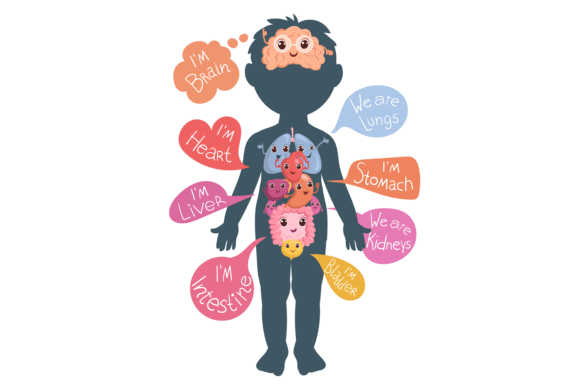
In the worlds of education, content creation, and marketing, communication is everything. The challenge is often how to make complex, intimidating, or abstract information not only digestible but genuinely engaging. This is where the conceptual framework of Internal Organs in a Childish Body enters as a surprisingly potent strategic tool. It represents a deliberate design choice: using cartoonish, simplified, and often humorous representations of human anatomy—like the heart, lungs, brain, and stomach—to explain physiological or health-related concepts. At its core, this approach is about leveraging visual metaphor and emotional appeal to bridge a significant gap between expert knowledge and audience understanding.
Why Childish Anatomy is a Strategic Asset, Not Just a Cartoon
Moving beyond a simple "kids' poster," the thoughtful application of Internal Organs in a Childish Body serves multiple high-level goals. Its primary utility lies in deconstructing complexity. A detailed, realistic anatomical diagram can trigger anxiety or disengagement. A cartoon liver with a friendly face, however, lowers the psychological barrier to learning. This isn't about dumbing down information; it's about smartening up your delivery. For educators, trainers, and health communicators, it translates dense physiology into accessible narratives. The speech bubbles emanating from a cartoon heart and lungs aren't merely decorative—they are direct channels for simplified explanation, turning organs into relatable characters.
From a branding and marketing perspective, this visual style builds immediate affinity. In a landscape saturated with sterile infographics, a well-designed cartoon medical illustration stands out. It conveys a brand personality that is approachable, empathetic, and creative. For businesses in wellness, parenting, educational technology, or even corporate wellness programs, using Internal Organs in a Childish Body within materials can soften a corporate image and foster a more human connection. It signals that you prioritize understanding over intimidation.
Planning for Impact: Key Use Cases and Applications
Deciding to employ this visual concept should be intentional, tied to specific outcomes. Its effectiveness is not universal but highly contextual.
Educational Content and Product Development
For creators of educational materials—books, apps, online courses, classroom posters—the childish body approach is transformative. It directly supports learning objectives by reducing cognitive load. A child learning about digestion follows a cartoon burger's journey through a smiling stomach and intestines more easily. An adult in a corporate health seminar might better retain information about cardiovascular health from a friendly heart character than a clinical chart. The vector-based EPS and JPG formats mentioned are crucial here, offering scalable, professional-quality assets that maintain integrity across print and digital platforms, from a large poster to a mobile app icon.
Strategic Communication and Marketing
When your message involves explaining processes, benefits, or systems that are internally focused (like software "anatomy," service workflows, or health benefits), metaphor becomes key. Using cartoon organs as metaphorical representations can make abstract company processes tangible. Imagine explaining a customer support "heart" or a data processing "brain" in your next internal presentation or client brochure. This visual strategy can enhance onboarding materials, explain complex product features, or make safety manuals more engaging. The goal is clearer communication, leading to better adoption and understanding.
Enhancing Creativity and Narrative Design
For content creators and bloggers, this framework unlocks narrative possibilities. An article on stress management could feature a cartoon adrenal gland "overheating." A series on nutrition could follow a cast of digestive organs. This turns dry topics into stories, increasing shareability and memorability. It's a creative decision that directly impacts audience retention and content differentiation.
Approaching the Design: Considerations for Effective Implementation
Before commissioning or selecting a Internal Organs in a Childish Body illustration, several strategic filters should be applied.
First, audience alignment is paramount. While the style is universally approachable, its tone must match. A slightly more sophisticated cartoon style might work for adult professionals, whereas exaggerated, bubbly characters suit younger children. The inclusion of speech bubbles or labels should serve the learning path—are they asking questions, stating facts, or expressing emotions?
Second, maintain scientific integrity. Simplification is not misrepresentation. The core function and relative position of organs must remain accurate. The childish body is a vessel for truth, not a replacement for it. Partner with or reference medical expertise to ensure the foundational anatomy is correct, even if the presentation is whimsical.
Third, integrate with broader content strategy. The illustration shouldn't be an island. It should be supported by clear copy, structured learning points, or a logical narrative flow. The visual opens the door; the textual content ensures the visitor stays and learns.
The Risks of Unthoughtful Application
Like any strategic tool, misuse dilutes its power and can backfire. Using Internal Organs in a Childish Body without clear goals leads to decorative clutter that confuses rather than clarifies. In serious medical contexts targeting professionals, it might undermine perceived authority. Over-reliance on humor could trivialize sensitive health topics. The key risk is a mismatch between visual tone and content gravity, which can erode trust. Always ask: does this visual style enhance understanding and connection for this specific audience on this specific topic?
Long-Term Value and Strategic Integration
When deployed consistently and thoughtfully, this visual approach builds significant long-term assets. For educators, it creates a reusable library of engaging teaching tools that improve student outcomes over time. For brands, it becomes a recognizable part of a visual identity, making complex topics a trademark of their communicative strength. The vector EPS format ensures these assets remain flexible and future-proof, adaptable to new mediums and campaigns.
Ultimately, the decision to use Internal Organs in a Childish Body hinges on a strategic choice about relationship-building. It declares that your priority is the audience's comfort and comprehension. It moves from merely presenting information to thoughtfully facilitating insight. In a world demanding both accuracy and engagement, this human anatomy approach, rendered through a lens of childish charm, offers a path to achieving both—a strategic advantage for any communicator, educator, or brand committed to making a lasting, understandable impact.