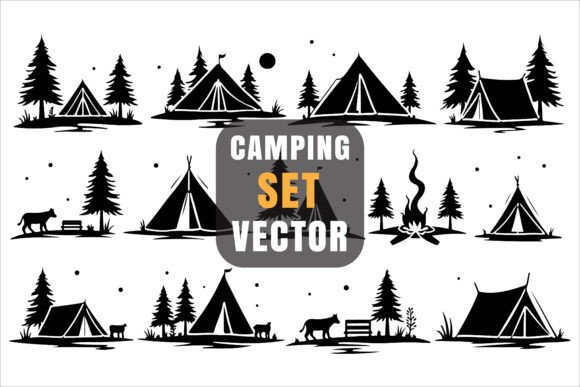
The Power of Backpacking and Camping Vector Graphics: A Modern Toolkit for Design
In a world where visual communication is paramount, the ability to convey ideas quickly and beautifully is a universal need. For the outdoor industry, from professional brands to passionate bloggers, this need is met by a specific and powerful resource: Backpacking and Camping Vector Graphics. These are not simply pictures of tents and backpacks; they are scalable, editable digital illustrations built from mathematical paths and points. Their relevance today stretches far beyond mere decoration, serving as foundational assets for storytelling, branding, and education in the thriving culture of adventure and outdoor life.
Why Vector Graphics Are the Standard for Modern Outdoor Design
The evolution of design technology and user expectations has cemented the role of vector graphics as a professional standard. Unlike raster images like standard JPGs, which pixelate when enlarged, vector files such as EPS and SVG maintain perfect clarity at any size. This technical superiority aligns perfectly with modern workflows that demand flexibility. A marketer might need the same compass icon for a mobile app icon and a large-format trade show banner. A blogger might want to adapt a campfire illustration for a website header and a printed booklet. Vector graphics make this seamless, eliminating the need for multiple file versions and saving significant time and resources.
This efficiency is crucial in a fast-moving digital environment. Furthermore, the aesthetic of contemporary outdoor marketing often leans towards clean, minimalist, and flat design—styles that vector graphics inherently excel at. These illustrations distill the essence of camping gear, wilderness exploration, and adventure travel into simple, recognizable forms that communicate instantly, matching the preferences of a visually savvy audience.
The Complete File Package: EPS, JPG, and PNG
A robust set of Backpacking and Camping Vector Graphics typically includes three core file types, each serving a distinct purpose in a creator’s toolkit. The EPS file is the primary vector source. It is the master file that professional designers use in software like Adobe Illustrator or CorelDRAW for unlimited editing and scaling. This is where you can change colors, combine elements, or extract individual items like a sleeping bag or portable stove.
The JPG file provides a high-quality, ready-to-use raster image with a background. It’s ideal for quick placements in situations where editing isn’t required, such as mock-ups or simple document inserts. The PNG file, often with a transparent background, is the web and digital workhorse. Its transparency allows designers to overlay graphics onto any background effortlessly, making it perfect for website buttons, social media posts, or digital educational materials. Together, this trio ensures the asset is versatile, ready for both complex professional projects and simpler, rapid deployments.
Practical Applications: Where These Graphics Come to Life
The utility of these graphics is demonstrated in their wide range of realistic applications. They solve concrete problems for professionals, entrepreneurs, and content creators connected to the outdoor sphere.
Building a Cohesive Outdoor Gear Brand
For startups or established companies in the outdoor gear sector, branding is about consistency and evoking a specific feeling. A well-crafted set of vector graphics provides a library of icons that can form the visual language of a brand. The same minimalist tent or backpack illustration can be adapted for a logo, subtly integrated into product labels, and used across packaging. This creates a recognizable and trustworthy brand identity that speaks directly to nature lovers and enthusiasts of rustic, eco-friendly camping.
Promoting Events and Engaging Communities
Whether it’s a local family camping weekend or a major trekking festival, event promotion needs compelling visuals. Vector graphics of campfire scenes, marshmallow roasting, or classic camping essentials like a lantern and cooking gear can be dynamically arranged into striking posters and flyers. Their scalability ensures print quality is always perfect, and their editable nature allows organizers to tailor colors and layouts to match each specific event’s theme.
Enhancing Digital Experiences on Blogs and Websites
Outdoor blogs and adventure travel websites thrive on engaging content. Vector graphics elevate these digital spaces. A PNG of a compass or map can serve as a perfect icon for a navigation menu. Flat design illustrations of mountain scenes or forest trails can break up text, create attractive featured images, or illustrate step-by-step guides on survival skills or campsite setup. They load quickly, look sharp on all devices, and contribute to a clean, professional user experience that keeps readers engaged.
Creating Merchandise That Resonates
The market for outdoor-themed merchandise—T-shirts, mugs, stickers—is vast. Vector graphics are the ideal starting point for these products. Their clean lines translate beautifully into print designs for fabrics and ceramics. A simple, stylish arrangement of camping gear icons or a single impactful flashlight illustration can become a popular product that celebrates the camping life. For small businesses or online stores, using these assets reduces the cost and complexity of original design work for every new product idea.
Developing Clear Educational and Instructional Materials
From nonprofit organizations promoting wild camping safety to parks departments creating trail guides, education is key. Vector graphics excel in infographics and instructional materials. They can be used to diagram a proper camp layout, illustrate a list of necessary tools for different seasons, or create a visual sequence for firewood preparation. Their clarity and ability to be easily annotated make complex information about navigation, exploration, or adventure gear more accessible and memorable for all audiences.
Aligning with Contemporary Trends and Lifestyle Shifts
The growing prominence of Backpacking and Camping Vector Graphics is not accidental; it mirrors broader societal trends. The sustained interest in outdoor activities, wilderness travel, and eco-friendly practices has expanded the market for related content and products. Simultaneously, the democratization of design through accessible software and online markets means more creators—freelancers, small business owners, hobbyists—are producing professional-looking materials themselves. They need high-quality, legally safe assets that are easy to use.
Moreover, the visual trend towards authenticity paired with simplicity means that illustrations feeling grounded and nature-inspired are more effective than overly glossy or abstract art. A vector set depicting genuine camping essentials in a flat design style hits this note perfectly. It supports the narrative of real outdoor fun and practical survival, which resonates deeply with today’s audience. These graphics are tools for visual storytelling that matches the current ethos: authentic, accessible, and adaptable.
Realistic Recommendations for Users
For anyone looking to utilize such a graphic set, the approach should be strategic. First, ensure the file formats provided match your technical capabilities and project needs. If you plan on any customization, sourcing the EPS vector files is essential. Second, think cohesively. Use the graphics as a unified set to build a visual theme across multiple touchpoints—your website, your social media, your printed materials. This repetition builds brand memory. Finally, adapt them thoughtfully. Change colors to match your palette, combine elements to create new scenes, but maintain the core clean style that makes vector graphics so effective. Avoid overcomposing; the power often lies in the minimalist representation of a single piece of adventure gear or a serene woodlands icon.
In essence, Backpacking and Camping Vector Graphics represent a fusion of practical design technology and the timeless appeal of the outdoors. They are more than just digital art; they are a versatile, scalable solution for anyone who needs to communicate ideas about adventure, nature, and preparation. From the professional designer crafting a global brand identity to the educator making a safety guide, these assets provide a common visual language that is clear, adaptable, and perfectly suited for our modern, visual world.